Conservation & Community Programs

Community News & Events

Learn more about EOCWD and discover how your water is managed. Tour our facilities, attend educational workshops, and stay updated on conservation programs that benefit both you and our community.

Schedule a Family Tour

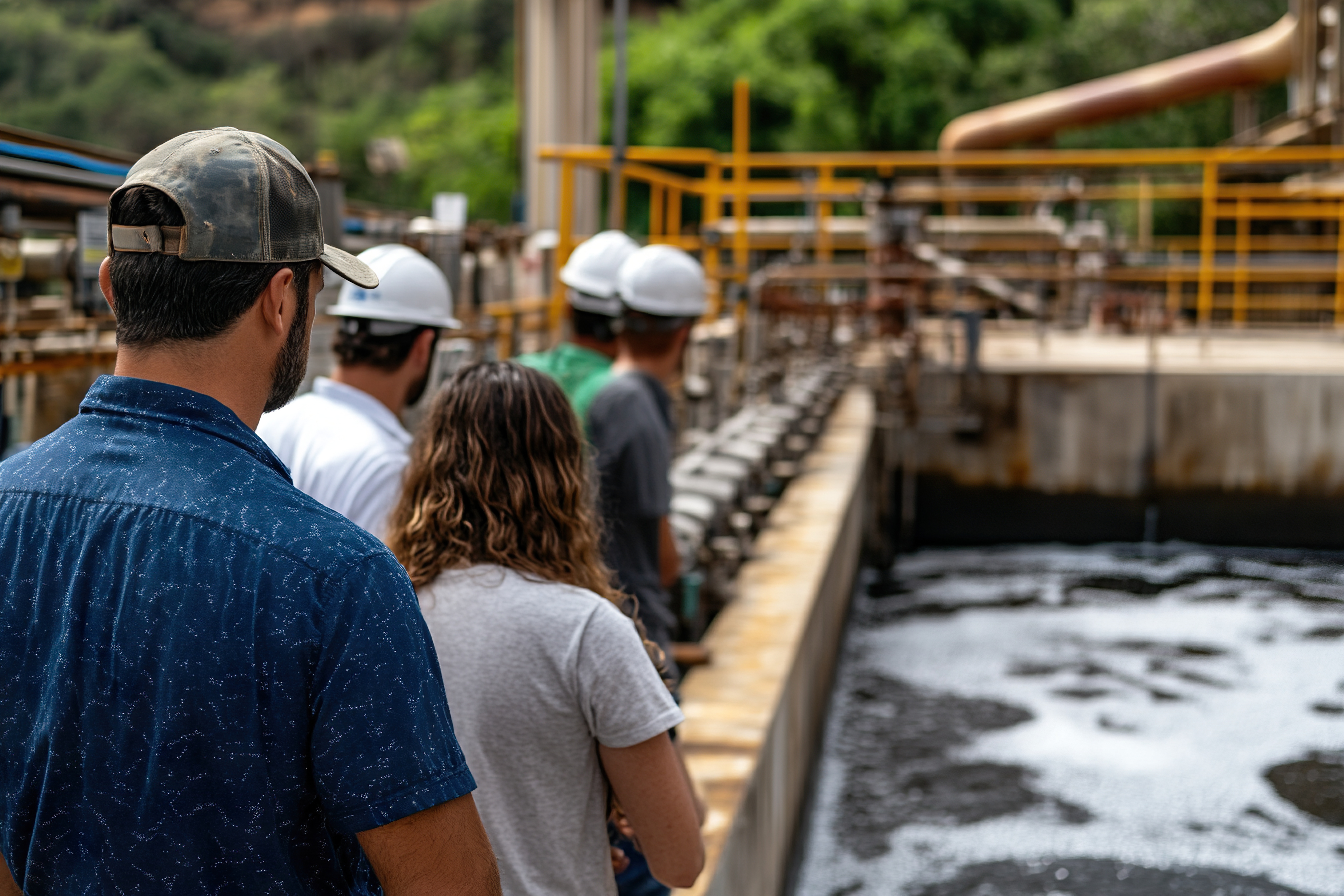
Visitors at Water Treatment Plant

Learn how water is delivered, treated, and managed in your community. Tours are available for schools, organizations, and community groups.

Community Outreach and Education

Community members at a local event

EOCWD participates in local events and offers educational presentations focused on water conservation, efficiency, and long-term water reliability.

Stay Connected

Screen capture of the

Get the latest information on water service, conservation programs, and community outreach. Follow us on social media for new updates.

Lower Your Water Bill

Water conservation helps protect local water supplies while also reducing monthly water bills. EOCWD offers programs, rebates, and practical resources to help customers use water more efficiently both indoors and outdoors.

Quick Tips to Reduce Daily Water Use
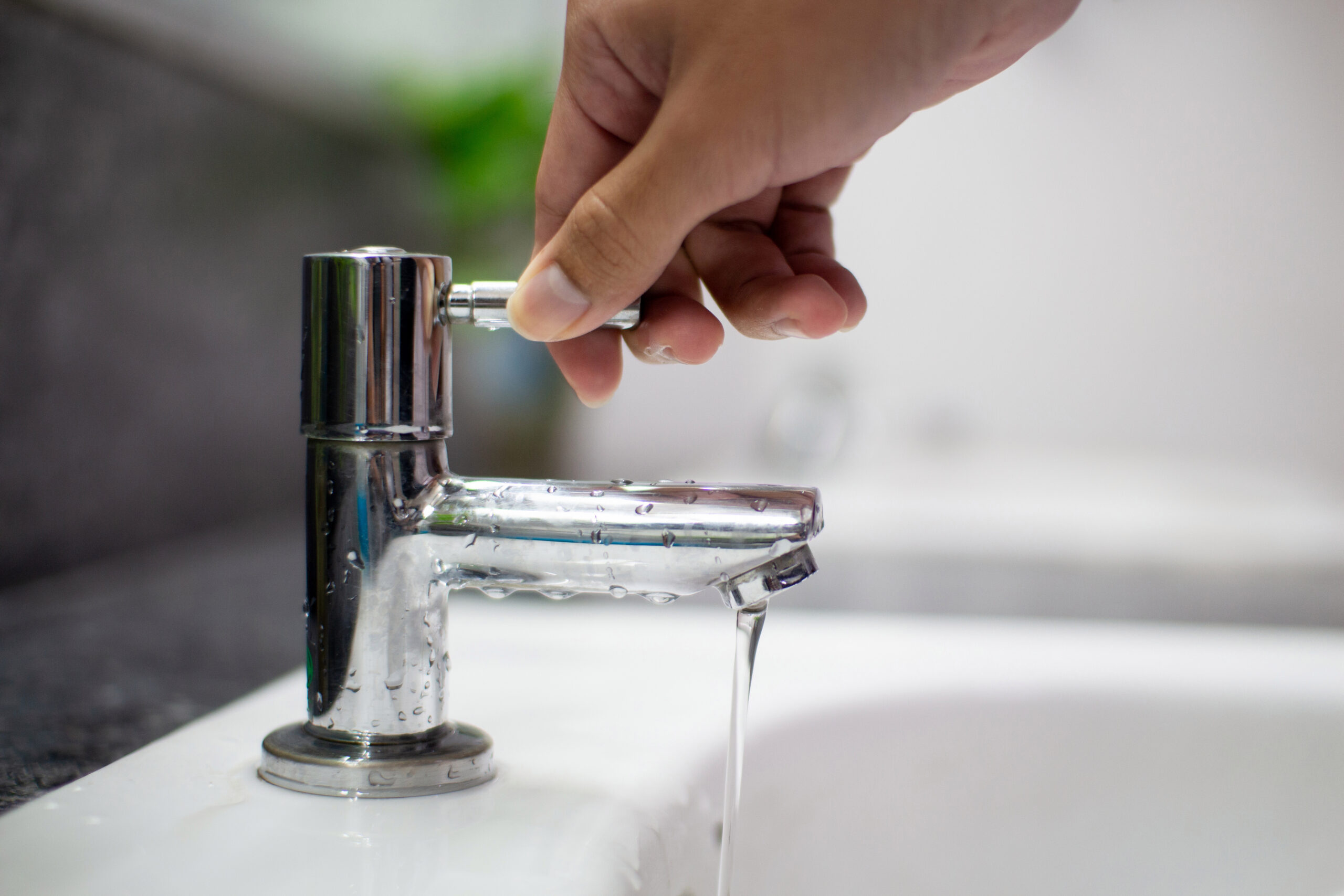
Man turning off the tap
  • Water landscapes early in the morning to reduce evaporation.
  • Check toilets, faucets, and irrigation systems for leaks.
  • Run dishwashers and washing machines only with full loads.
  • Turn off the faucet while brushing teeth or shaving.
  • Install high-efficiency showerheads and reduce shower time.
  • Sweep driveways and patios instead of hosing them down.

Quick Tips to Save Water in Your Garden
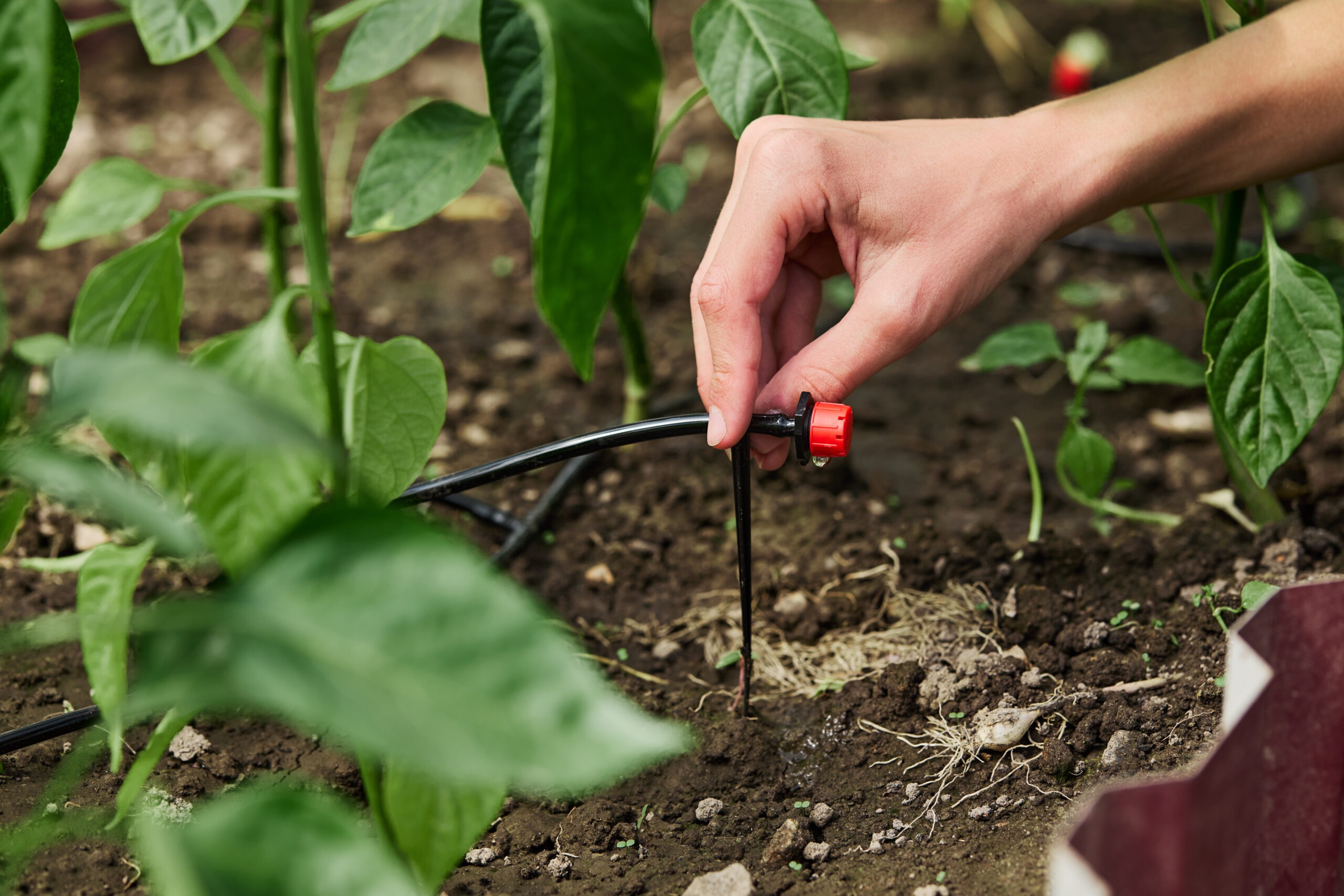
Woman installing a drip irrigation system in her garden
  • Use a variety of attractive water-saving plants.
  • Use a drip irrigation system to apply water slowly, reducing runoff and promoting deep rooting.
  • Use mulch, such as wood chips or leaf mold, to retain moisture and help prevent erosion, soil compaction, and weeds.
  • Preserve existing trees, as established plants are often adapted to low-water conditions.
  • Use porous paving materials such as brick, decomposed granite, or gravel for patios and walkways to keep water in the garden rather than in the gutter.
  • Set automatic timers to allow efficient watering on a schedule suited to each landscape area.
  • Water during the cooler parts of the day to reduce evaporation.
  • Add compost to your soil to improve its water-holding capacity.
  • Check for and repair leaky hose connections and sprinkler valves.
  • Ask your nursery about water-saving turf and raise your lawnmower cutting height. Longer grass blades shade the soil and reduce evaporation.
  • Prevent overwatering by irrigating only when the soil is dry.
  • Water trees and shrubs longer and less frequently than shallow-rooted plants.
  • Use smaller container plants, which require less water to become established.
  • Use recycled gray water from showers, baths, sinks, and laundry to water outdoor landscapes where permitted.

Rebates & Incentives

EOCWD participates in the SoCal WaterSmart rebate program, which offers incentives for water-efficient upgrades. Rebates are funded through a partnership with Metropolitan Water District of Southern California and are subject to eligibility requirements and funding availability. You can find answers to common questions about SoCal Water$mart rebate eligibility for residential or turf replacement rebates at BeWaterWise.com.

Indoor & Outdoor Rebates

Rebate programs are available to help reduce everyday water use at your home or business.
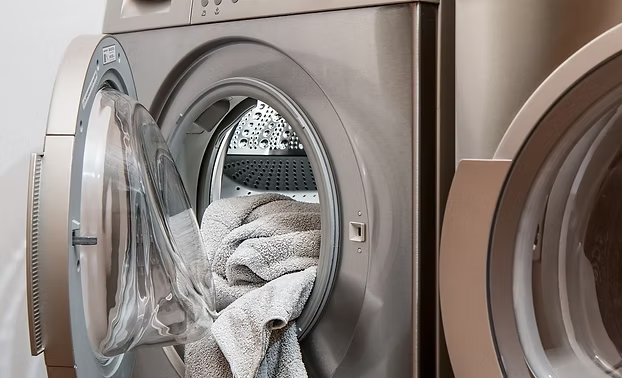
High-Efficiency Clothes Washers

Rebates starting at $85 per model

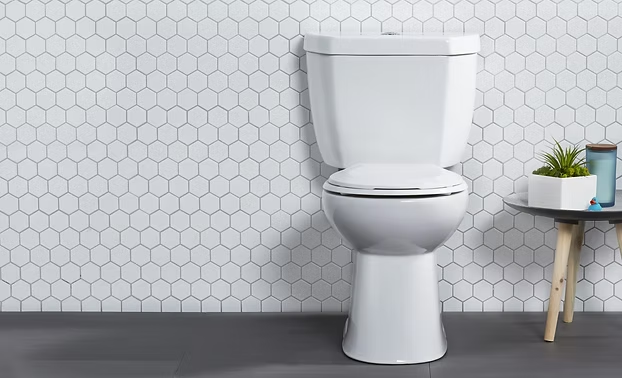
Premium High-Efficiency Toilets

Rebates starting at $40

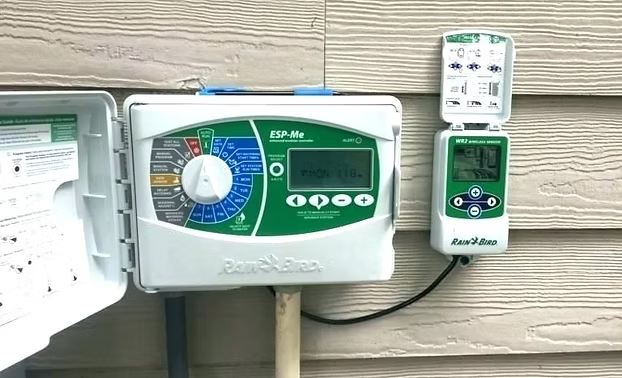
Weather-Based Irrigation Controllers

Rebates up to $150 per controller

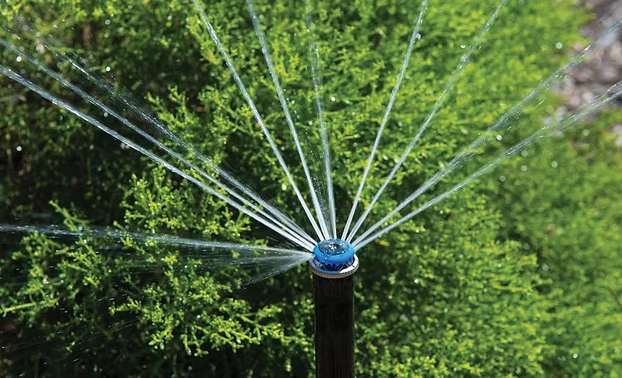
Rotating Sprinkler Nozzles

Rebates up to $2 per nozzle

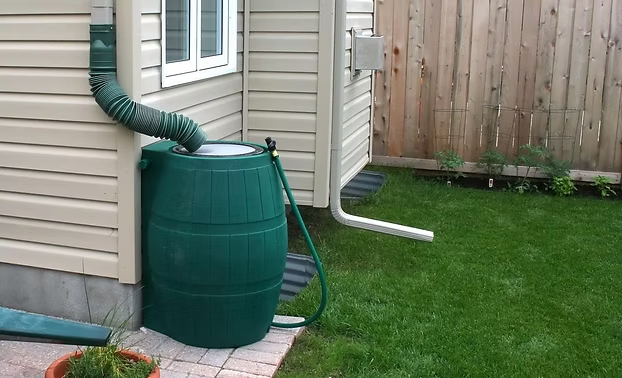
Rain Barrels and Cisterns

Rebates starting at $35 per barrel or up to $500 for cisterns

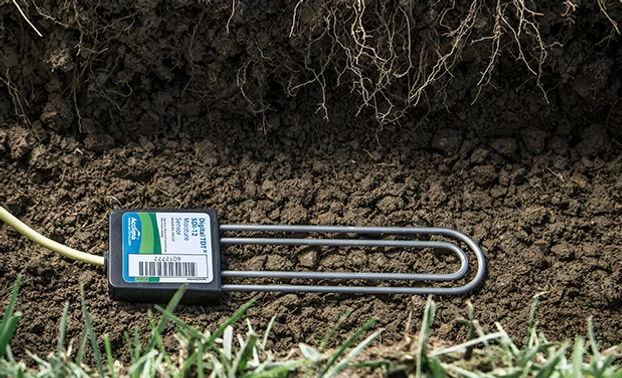
Soil Moisture Sensor Systems

Rebates available based on system size

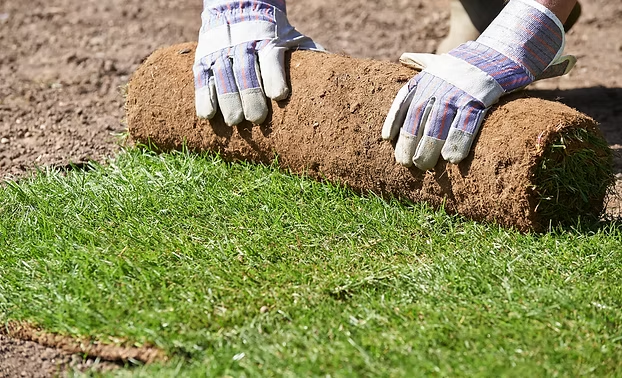
Turf Replacement Program

Rebates Starting at $2 per square foot

Estimate Your Rebate

Find out how much you may qualify for when replacing turf or installing water-saving devices. The rebate calculator helps you estimate available incentives and review eligibility requirements before you apply.

Water Friendly Landscape

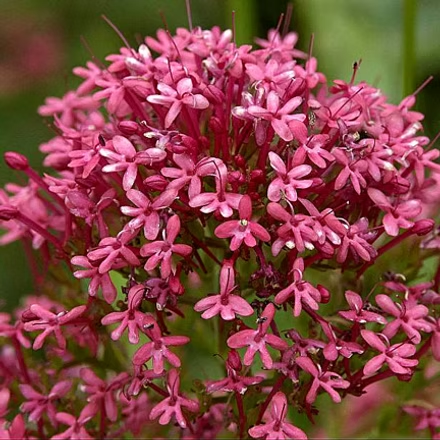
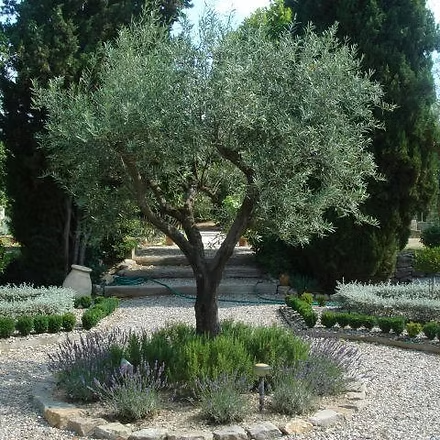
Choosing native and water-wise plants is an effective way to conserve water while enhancing your outdoor space. The plant guide below highlights options well suited to our local climate and commonly available at nurseries.
Flowering Plants

Trees

Foliage Plants

Vines and Shrubs

Ground Cover

  • Achillea (yarrow)

  • Aloe

  • Callistemon citrinus (lemon bottlebrush)

  • Cassia artemisioides (feathery cassia)

  • Centranthus Tuber (red valerian)

  • Cistus (rockrose)

  • Convolvulus cneorum (bush morning glory)

  • Cortaderia selloana (pampas grass)

  • Coreopsis verticillata

  • Cotinus coggygria (smoke tree)

  • Cytisus and spartium (broom)

  • Echium fastuosum (pride of Madeira)

  • Escallonia

  • Eriogonum (buckwheat)

  • Fremontodendrom (fremontia)

  • Garrya elliptica

  • Kniphofia uvaria (red-hot poker)

  • Lantana

  • Lavandula (lavender)

  • Lemonium perezii (sea lavender)

  • Nerium oleander (oleander)

  • Ochna serrulata (Mickey Mouse plant)

  • Pennisetum setaceum (fountain grass)

  • Plumbago auriculatta (cape plumbago)

  • Poinciana gilliesii (bird of paradise bush)

  • Romneya coulteri (Matilija poppy)

  • Satureja montana (winter savory)

  • Teucrium fruticans (bush germander

  • Acacia (certain species)

  • Casaurina (Beefwood)

  • Cedrus deodara

  • Certonia siliqua (carob)

  • Cercis occidentalis (western redbud)

  • Cercidium (palo verde)

  • Cupressus glabra (Arizona cypress)

  • Eriobotrya japonica (loquat)

  • Eucalyptus

  • Geijera parvifolia

  • Hakea (tree types)

  • Heteromeles arbutifolia (toyon)

  • Juglans hindsii (California black walnut)

  • Lyonothamnus floribundus asplenifolius (Catalina ironwood)

  • Melaleuca linarifolia, M. styphelioides

  • Olea europaea (olive)

  • Palms

  • Parkinsonia aculeata (Mexican palo verde)

  • Pinus (pines)

  • Pistacia chinensis (Chinese pistache)

  • Quercus (oaks)

  • Rhusiancea

  • Robinia (locust)

  • Schinus molle (California pepper)

  • Sequoiadendron gigantrum (big tree)

  • Tamarix apliylla (salt cedar)

  • Agave

  • Arbutus unedo (strawberry tree)

  • Artemisia (wormwood)

  • Atriplex (saltbush)

  • Centaurea gymnocarpa

  • Dodonaea viscosa (hopseed bush)

  • Elaeagnus

  • Pittosporum (some species)

  • Portulacaria afra (elephant’s food)

  • Prunus lyoni, P. ilicifolia, P. caroliniana

  • Rhamnus alaternus, R. crocea ilicifolia

  • Rhus ovata (sugar bush)

  • Senecio cineraria (dusty miller)

  • Xylosma congestum

  • Yucca

  • Bougainvillea

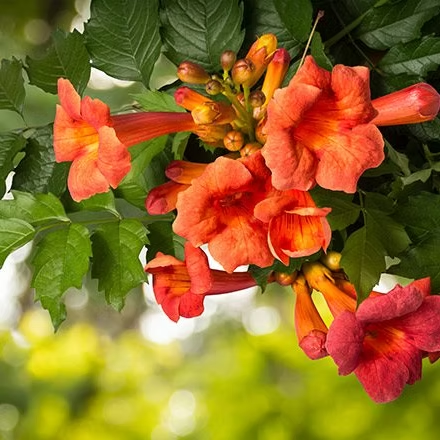
  • Campsis (trumpet creeper)

  • Solanum hartwegii (cup-of-gold vine)

  • Solanum jasminoides (potato vine)

  • Tecomaria capensis (cape honeysuckle)

  • Vitis vinifera (wine grape)

  • Wisteria

  • Ceanothus

  • Cotoneaster

  • Grevillea

  • Juniperus (juniper)

  • Baccharis pilularis (dwarf coyote brush)

  • Gazania

  • Hypericum calycinum (creeping St. Johnswort)

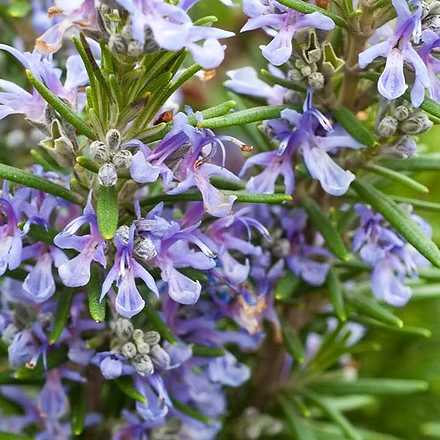
  • Rosmarinus officinalis (rosemary)

  • Santolina chamaecyparissus

Water Friendly Landscape

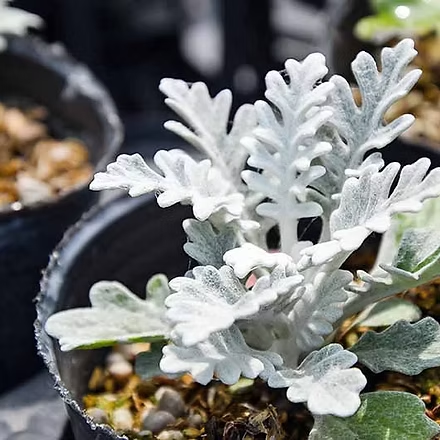
Choosing native and water-wise plants is an effective way to conserve water while enhancing your outdoor space. The plant guide below highlights options well suited to our local climate and commonly available at nurseries.
  • Achillea (yarrow)
  • Aloe
  • Callistemon citrinus (lemon bottlebrush)
  • Cassia artemisioides (feathery cassia)
  • Centranthus Tuber (red valerian)
  • Cistus (rockrose)
  • Convolvulus cneorum (bush morning glory)
  • Cortaderia selloana (pampas grass)
  • Coreopsis verticillata
  • Cotinus coggygria (smoke tree)
  • Cytisus and spartium (broom)
  • Echium fastuosum (pride of Madeira)
  • Escallonia
  • Eriogonum (buckwheat)
  • Fremontodendrom (fremontia)
  • Garrya elliptica
  • Kniphofia uvaria (red-hot poker)
  • Lantana
  • Lavandula (lavender)
  • Lemonium perezii (sea lavender)
  • Nerium oleander (oleander)
  • Ochna serrulata (Mickey Mouse plant)
  • Pennisetum setaceum (fountain grass)
  • Plumbago auriculatta (cape plumbago)
  • Poinciana gilliesii (bird of paradise bush)
  • Romneya coulteri (Matilija poppy)
  • Satureja montana (winter savory)
  • Teucrium fruticans (bush germander)
  • Acacia (certain species)
  • Casaurina (Beefwood)
  • Cedrus deodara
  • Certonia siliqua (carob)
  • Cercis occidentalis (western redbud)
  • Cercidium (palo verde)
  • Cupressus glabra (Arizona cypress)
  • Eriobotrya japonica (loquat)
  • Eucalyptus
  • Geijera parvifolia
  • Hakea (tree types)
  • Heteromeles arbutifolia (toyon)
  • Juglans hindsii (California black walnut)
  • Lyonothamnus floribundus asplenifolius (Catalina ironwood)
  • Melaleuca linarifolia, M. styphelioides
  • Olea europaea (olive)
  • Palms
  • Parkinsonia aculeata (Mexican palo verde)
  • Pinus (pines)
  • Pistacia chinensis (Chinese pistache)
  • Quercus (oaks)
  • Rhusiancea
  • Robinia (locust)
  • Schinus molle (California pepper)
  • Sequoiadendron gigantrum (big tree)
  • Tamarix apliylla (salt cedar)
  • Agave
  • Arbutus unedo (strawberry tree)
  • Artemisia (wormwood)
  • Atriplex (saltbush)
  • Centaurea gymnocarpa
  • Dodonaea viscosa (hopseed bush)
  • Elaeagnus
  • Pittosporum (some species)
  • Portulacaria afra (elephant’s food)
  • Prunus lyoni, P. ilicifolia, P. caroliniana
  • Rhamnus alaternus, R. crocea ilicifolia
  • Rhus ovata (sugar bush)
  • Senecio cineraria (dusty miller)
  • Xylosma congestum
  • Yucca
  • Bougainvillea
  • Campsis (trumpet creeper)
  • Solanum hartwegii (cup-of-gold vine)
  • Solanum jasminoides (potato vine)
  • Tecomaria capensis (cape honeysuckle)
  • Vitis vinifera (wine grape)
  • Wisteria
  • Ceanothus
  • Cotoneaster
  • Grevillea
  • Juniperus (juniper)
  • Baccharis pilularis (dwarf coyote brush)
  • Gazania
  • Hypericum calycinum (creeping St. Johnswort)
  • Rosmarinus officinalis (rosemary)
  • Santolina chamaecyparissus

Gardening Resources

Discover fresh new ways to design your landscape using water-efficient plants native to Orange County. You can find and select plants that are naturally drought-tolerant and help support local ecosystems.


Cover of the California Native Plants guide
Cover of the California Friendly maintenance guide

Drought Conditions & Water-Use Requirements

The East Orange County Water District is committed to transparency and open public engagement. Board and committee meetings are held regularly to review District operations, financial matters, projects, and policy decisions. Members of the public are welcome to attend scheduled meetings and review agendas posted 72 hours in advance.

Current Water-Use Requirements and Guidelines for Residential, Commercial and Public Customers

  1. Watering or irrigating with a device or system that is not continuously attended is limited to
    no more than 10 minutes per valve, per day.
  2. This limitation applies to
    lawns, landscaping, and all other vegetated areas.
  3. The following irrigation systems are exempt:
    1. Low-flow drip-type systems that achieve the conservation goals of this Ordinance.
    2. Systems equipped with weather-based controllers or stream-rotor sprinklers
      that meet a 70% efficiency standard.
It is prohibited to water lawns, landscaping, and vegetated areas in a manner that causes or allows excessive water flow or runoff onto an adjoining sidewalk, driveway, street, alley, gutter, or ditch.
All new automated irrigation systems installed must include the following:

  1. Rain sensors that shut off the system when it rains
  2. Smart controllers or evapotranspiration sensors that use weather-based data to set efficient watering schedules.

Excessive use, loss or escape of water through breaks, leaks, or malfunctions in the water user’s plumbing or distribution system:

  1. Is prohibited for any period after such water waste should have reasonably been discovered and corrected.

  2. Must be immediately shut off upon District notification, unless Undue Hardship occurs.

  3. Must be corrected within no more than three (3) days of District notification.

  1. It is prohibited to hose or wash down hard or paved surfaces, such as sidewalks, walkways,
    driveways, parking areas, tennis courts, patios, or alleys.
  2. When it is necessary to hose or wash down hard or paved surfaces to alleviate safety or sanitary hazards,
    the following may be used:

    1. Hand-held bucket or similar container.
    2. Hand-held hose equipped with a positive shut-off valve.
    3. Low-volume, high-pressure cleaning machine or “water broom.”
Effective January 1, 2011, all decorative water fountains and water features must re-circulate water, or users must secure a waiver from the District.

No person may use water from any fire hydrant for any purpose other than fire suppression or emergency aid without first:

  1. Requesting and posting the appropriate fees at the District.
  2. Obtaining a hydrant meter to record all water consumption for a specified project. Any unauthorized users who fail to acquire an appropriate meter from the District, will accrue fees for water theft.
  1. Water Served Only Upon Request
    Eating or drinking establishments, including but not limited to restaurants, hotels, cafes, bars, or other public places where food or drinks are sold, served, or offered for sale, are prohibited from providing drinking water to any person unless it is requested.
  2. Option Not to Have Towels/Linens Laundered
    Hotels, motels, and other commercial lodging establishments must provide guests the option of not having their used towels and linens laundered. Lodging establishments must prominently display notice of this option in each room and/or bathroom using clear and easily understood language.
  1. Water-Efficient Pre-Rinse Kitchen Spray Valves
    Food preparation establishments, such as restaurants, cafes, and hotels, are prohibited from using non-water-efficient kitchen spray valves.

    1. New kitchen spray valves must use 1.6 gallons or less per minute.
    2. Effective January 1, 2010, existing kitchen spray valves must be retrofitted to models using 1.6 gallons of water or less per minute.
  2. Best-Available Water-Conserving Technology
    All water-using equipment in new or remodeled commercial kitchens must use the best available water-conserving technology,
    such as technologies cited on the California Water Efficiency Partnership (CalWEP) website.
  3. No Defrosting with Water
    Defrosting food with running water is prohibited.
  4. Scoop Sinks
    Scoop sinks shall be set at minimum water flow at all times of use and shut off during non-working hours.
  5. Automatic Shut-Off Nozzles
    When hosing or washing kitchen or garbage areas or other areas for sanitary reasons as required by the Health Department,
    hoses shall be equipped with a positive shut-off valve.
  1. All new commercial carwash and laundry facilities and systems must re-circulate the wash water or secure a waiver of this requirement from the District.
  2. Buildings requesting new water service or being remodeled are prohibited from installing single-pass systems.
  1. Recycled or non-potable water must be used, when available.
  2. No water may be used for soil compaction or dust control where there is a reasonably-available source of recycled or non-potable water approved by the Department of Public Health and appropriate for such use.
  3. Water hoses shall be equipped with automatic shut-off valves, given such devices are available for the size and type of hoses in use.
Upon notice by the District, persons shall cease to cause or permit the indiscriminate use of water not otherwise prohibited above which is wasteful and without reasonable purpose.

These regulations shall not be construed to limit water use which is immediately necessary to protect public health and/or safety.

Ready to Start Conserving?

If you have questions about getting started with our conservation and rebate programs, we are here to help.