Sewer Service

How Sewer Service Works

The EOCWD existing sewer system consists of approximately 173 miles of pipeline and 3,700 manholes serving about 16,500 customer connections.

East Orange County Water District provides sewer service to safely collect and transport wastewater from your home and business. Wastewater is conveyed to Orange County Sanitation for treatment and reuse, helping protect public health and the environment.

Getting Started with Sewer Service

Residential

Businesses

Developers & Permits

If your home is within EOCWD’s service area and already has a permitted connection to the public sewer system. Sewer service is established automatically, and there is no need to contact our office.

To help protect the sewer system, customers should only dispose of wastewater and toilet paper down the drains. Grease, wipes and other materials should never be disposed in the sewer system.

If your property is using a septic system and you would like to look into connecting to the public sewer, please contact EOCWD at (714) 538-5815.

Businesses connected to the sewer system help support the community by ensuring wastewater is properly collected and treated.

Depending on the type of business and wastewater generated, additional requirements such as permits, monitoring, or Fat Oils & Grease (FOG) regulations may apply.

New construction (includes remodel, ADU’s, or changes in property use may require sewer permits and capacity charges. These requirements help ensure the sewer system can safely serve new or expanded uses.

Developers and contractors should review sewer service requirements early in the planning process, as fees and approvals may be coordinated with regional sanitation agencies.

New to Sewer

If your home is within EOCWD’s service area and already has a permitted connection to the public sewer system. Sewer service is established automatically, and there is no need to contact our office.

To help protect the sewer system, customers should only dispose of wastewater and toilet paper down the drains. Grease, wipes and other materials should never be disposed in the sewer system.

If your property is using a septic system and you would like to look into connecting to the public sewer, please contact EOCWD at (714) 538-5815.

Businesses connected to the sewer system help support the community by ensuring wastewater is properly collected and treated.

Depending on the type of business and wastewater generated, additional requirements such as permits, monitoring, or Fat Oils & Grease (FOG) regulations may apply.

New construction (includes remodel, ADU’s, or changes in property use may require sewer permits and capacity charges. These requirements help ensure the sewer system can safely serve new or expanded uses.

Developers and contractors should review sewer service requirements early in the planning process, as fees and approvals may be coordinated with regional sanitation agencies.

Billing & Annual Fees

Sewer charges help cover the cost of collecting and managing wastewater and maintaining the sewer system that protects public health and the environment. You can learn more about sewer services, fees, and permitting requirements on our Sewer Services page.

Annual Sewer Service Charges

EOCWD bills sewer customers annually through their property tax bill, according to the type of property that they own. Current rates are provided in the annual sewer service fee schedule below.

ANNUAL FEES
FY 2023 FY 2024 FY 2025 FY 2026 FY 2027 FY 2028
Effective Month Current Jul 2023 Jul 2024 Jul 2025 Jul 2026 Jul 2027
Proposed Revenue Adjustments 12.0% 12.0% 12.0% 12.0% 12.0%
Single-Family Residential $108.00 $120.96 $135.48 $151.73 $169.94 $190.33
Multi-Family Residential per dwelling unit $75.60 $84.67 $94.83 $106.21 $118.96 $133.23
Non-Residential Non-residential customers pay a rate per 1,000 square feet of building area based on a property use classification factor. Reference to Appendix A in the Rate Study.

Residential or Non-Residential Sewer Capacity Charges

Sewer capacity and connections charges may apply when new development, remodeling, or change in business use occur. These charges help ensure the sewer system can safely accommodate new or expanded demand.

Fats, Oils & Grease (FOG) Program

The FOG Program helps protect the sewer system from blockages and overflows causes by grease and food waste. FOG commonly comes from cooking and food preparation and can impact homes, restaurants, and businesses connected to the sewer system. Managing FOG properly helps protects public health, the environment and the reliability of the sewer system.

Quick Guide to FOG

Sewer capacity and connections charges may apply when new development, remodeling, or change in business use occur. These charges help ensure the sewer system can safely accommodate new or expanded demand.

What Goes Down the Drain

Only wastewater and toilet paper should be flushed or washed down drains. Grease, food scraps, wipes, sanitary items, and other materials can build up in pipes and cause blockages.

Keep Our Pipes Clean

When fats, oils, and grease cool, they harden inside pipes. Over time, this can restrict flow and lead to sewer overflows or disrupt sewage pumps. Proper disposal helps prevent backups, spills, and costly repairs.

EOCWD FOG Permit

According to EOCWD’s FOG ordinance, food service establishments may be required to obtain and maintain FOG permit, including monitoring and grease control measures

Regional Sanitation Guidelines

FOG requirements are part of regional sanitation standards that protect the sewer system and wastewater treatment facilities operated by the Orange County Sanitation District. Food service establishments are required to follow these standards to prevent sewer blockages and overflows.

The cost of monitoring FOG generators is established by the Orange County Sanitation District and is currently $206 for a two-year permit.

New Development & Permitting

Planning a new development, remodeling, adding an ADU, septic to sewer conversion or change in property use? This section provides a quick overview of sewer requirements and helps you understand what may be needed before construction begins. To keep projects moving smoothly, we recommend reviewing sewer standards and permit requirements early in the planning process.

Permitting Checklist
  • Confirm whether your project requires a new sewer connection or modification
  • Review applicable sewer capacity and connections requirements

  • Verify design standards and construction specifications

  • Determine if sewer permits are required

  • Coordinate early if your project involves redevelopment or increased use

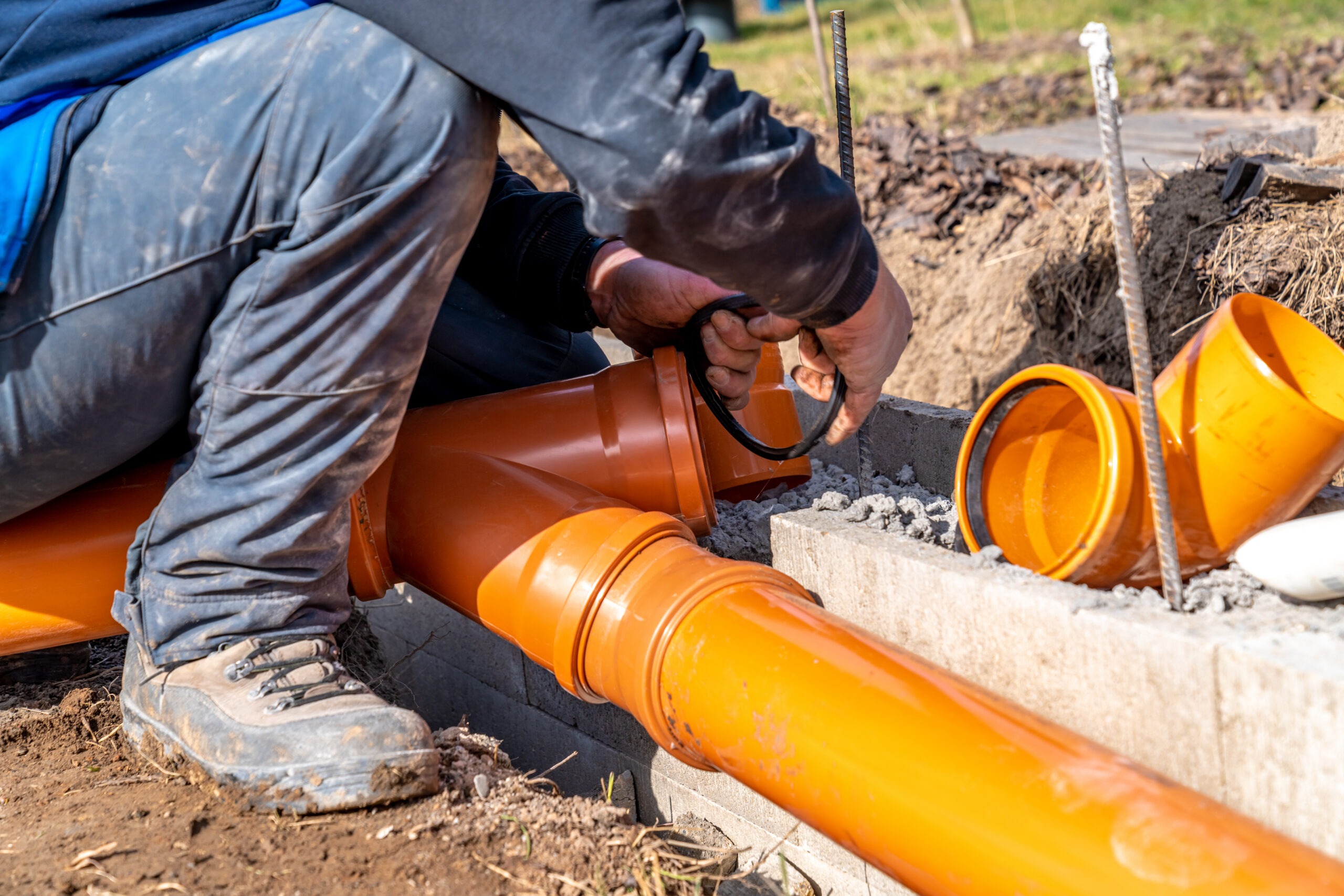
Man installing PVC pipe for sewerage in the ground
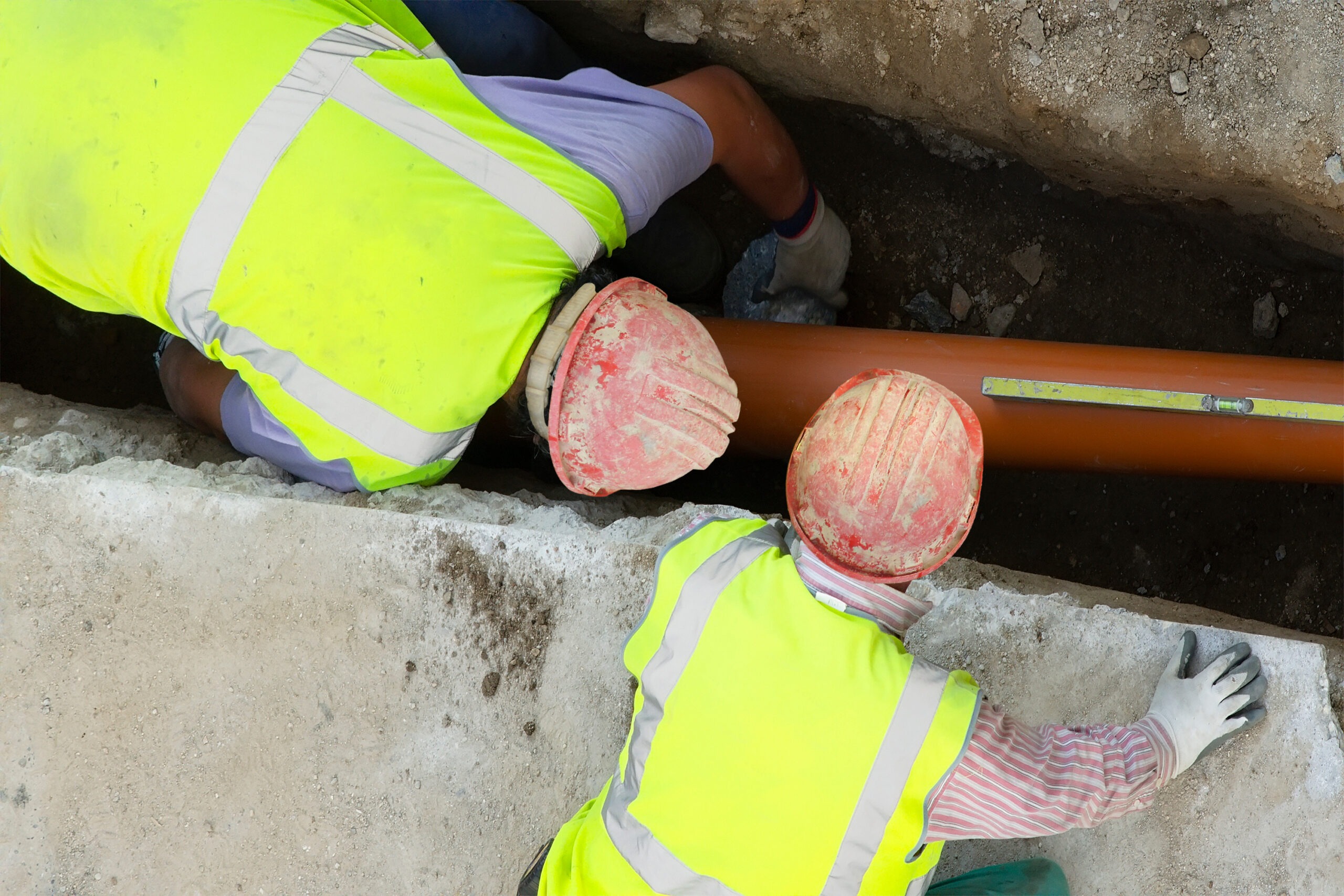
construction workers for repair water and sewer pipes in construction site

Sewer System Management Plan

The Sewer System Management Plan (SSMP) identifies goals the District has set for the management, operation, and maintenance of the sewer system. These goals provide focus for District staff to continue high-quality work and to implement improvements in the management of the District’s wastewater collection system. This plan addresses the requirements for the following elements:

  • Goals
  • Organization
  • Legal Authority
  • Operation and Maintenance Program
  • Design and Performance Provisions
  • Spill Emergency Response Plan

The updated plan can be viewed in Volume I and Volume II.